
Wildlife Removal vs. Pest Control: Understanding the Difference
Wildlife removal or pest control services help solve different problems by safely eliminating animals or pests from your property, with local service providers ready to assist.
Understanding the difference between wildlife removal and pest control is essential for property owners facing unwanted visitors or infestations. Whether dealing with raccoons nesting in the attic, squirrels in the walls, or insects invading living spaces, knowing which type of service is needed can make a significant difference in resolving the issue effectively. This guide aims to clarify these distinctions, helping property owners determine when wildlife removal services are appropriate versus pest control solutions. Local contractors specializing in these areas are equipped to address specific concerns, ensuring that the right approach is taken to protect homes and businesses.
Exploring this topic can be especially practical for property owners in the area who want to address nuisance animals or pests safely and efficiently. Recognizing the unique needs of wildlife versus insects can prevent misapplications of treatment methods and lead to better, long-lasting results. Whether the goal is humane removal of larger animals or controlling smaller pests, local service providers are prepared to handle each situation appropriately. Keep reading to better understand the differences and discover how local experts can help with the right solutions for your property.
- Wildlife removal - needed when animals like raccoons or squirrels invade attics or crawl spaces, with local contractors specializing in humane exclusion methods.
- Pest control - appropriate for infestations of insects or rodents inside living spaces, with service providers focusing on targeted extermination and prevention.
- Wildlife removal - required when larger animals threaten property safety or cause structural damage, with local pros using trapping and exclusion techniques.
- Pest control - suitable for ongoing issues with pests like ants or cockroaches, with local contractors implementing treatment plans to eliminate and prevent future problems.
- Wildlife removal - essential when wild animals are active around or inside a property, with local service providers focusing on safe removal and habitat repair.
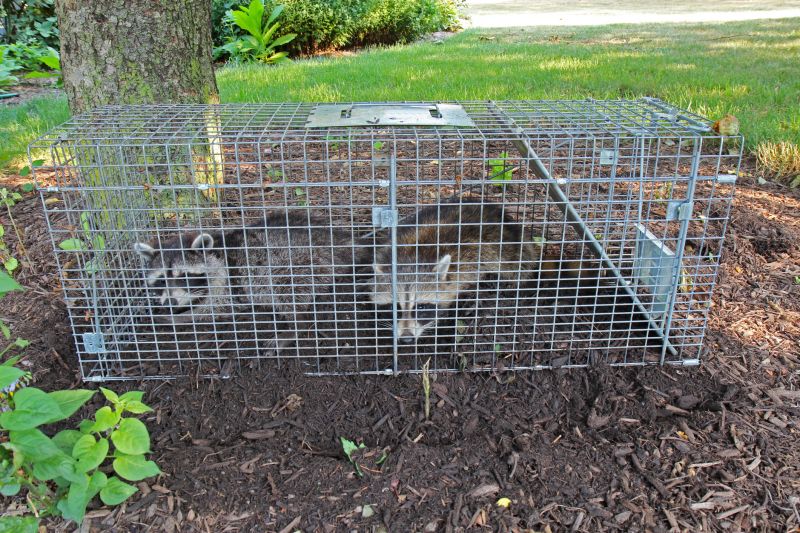
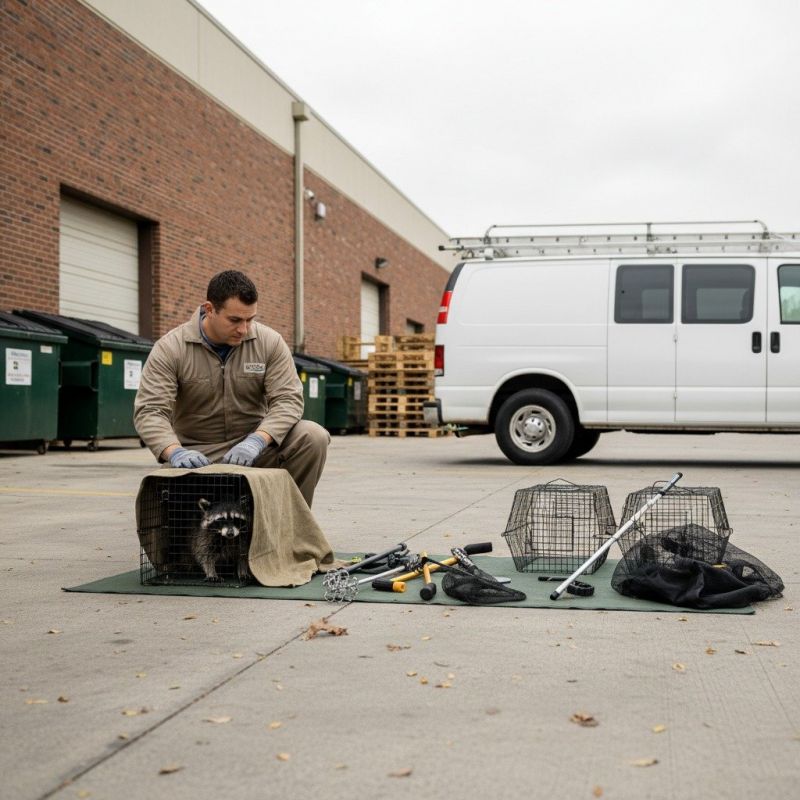
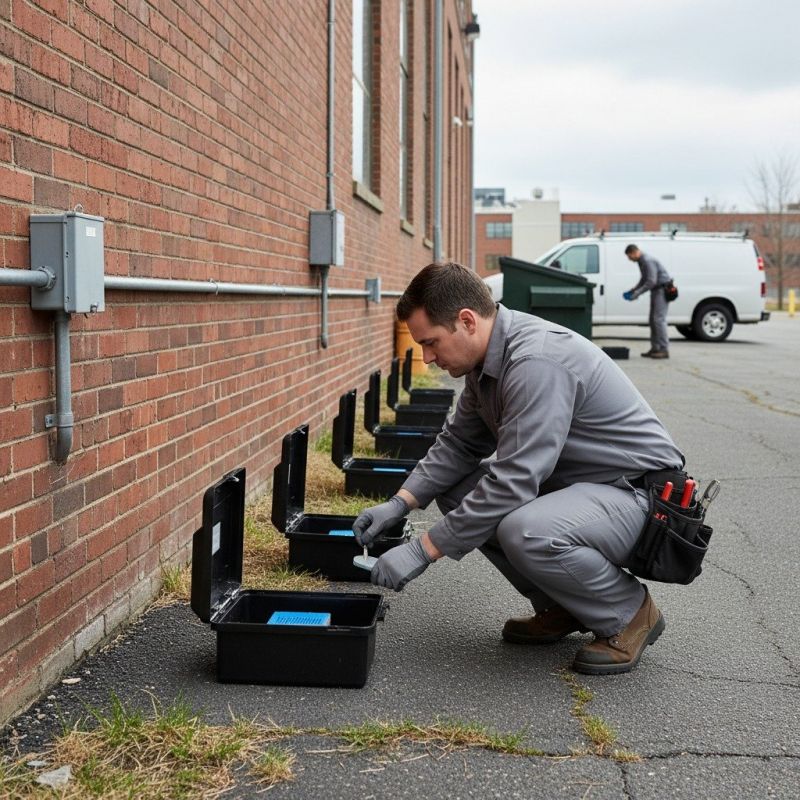
When people search for information about wildlife removal vs. pest control, they are often trying to understand the specific services that address different types of unwanted animals or insects around their property. The focus is usually on solving problems caused by animals like raccoons, squirrels, bats, or birds that may have entered attics, chimneys, or wall cavities. Homeowners want to know which service is appropriate for their situation, whether it involves removing animals safely or controlling pests such as ants, cockroaches, or termites. Clarifying the distinction helps people choose the right professionals to handle their particular issues efficiently and effectively.
The kinds of problems associated with wildlife removal vs. pest control typically involve different types of animals or insects and the plans needed to resolve the issues. Wildlife removal generally addresses animals that have become a nuisance or pose health and safety risks due to their presence in or around the home. This can include animals that have taken up residence in attics, crawl spaces, or chimneys, often requiring humane removal and exclusion measures. Pest control, on the other hand, deals with insects and rodents that infest living spaces or structures, requiring targeted treatments to eliminate and prevent future invasions. Understanding these differences helps homeowners determine whether they need a wildlife removal specialist or a pest control technician for their project.
Properties that commonly come up in wildlife removal vs. pest control discussions tend to be residential homes, especially those with older or poorly sealed structures. Attics, basements, and roof eaves are typical areas where wildlife might intrude, creating the need for removal services. Pests often invade kitchens, bathrooms, and storage areas, where they can cause damage or health concerns. In some cases, commercial properties or outbuildings may also experience wildlife or pest issues. Local service providers are equipped to handle these types of properties, offering solutions tailored to the specific animal or insect problem, and ensuring that the property remains safe and pest-free.
Understanding the difference between wildlife removal and pest control helps homeowners make informed decisions about how to address their property issues. Local pros specializing in wildlife removal focus on humane and exclusion methods to safely remove animals like raccoons or squirrels, often requiring knowledge of animal behavior and entry points. Pest control technicians typically use targeted treatments to eliminate insects or rodents and prevent future infestations. Recognizing which type of service is appropriate for a particular problem ensures that the right professionals are engaged for the job, leading to more effective and lasting results for property owners dealing with unwanted animals or insects.
Exclusion Projects - sealing entry points and installing barriers require planning and skills similar to wildlife removal to prevent animals from re-entering properties.
Rodent Control - managing rodent infestations involves trapping, baiting, and sanitation techniques comparable to pest control methods.
Attic and Crawl Space Cleanup - removing animal droppings, nests, and debris in tight spaces aligns with cleanup tasks in wildlife removal services.
Wildlife Habitat Modification - altering landscaping and outdoor environments to reduce attractants shares planning skills with pest management strategies.
Insect Extermination - targeting insects like ants or termites involves treatment planning and application skills similar to pest control services.
Structural Damage Repair - fixing chewed wiring, insulation, or wood damage caused by animals requires repair work often associated with wildlife removal projects.
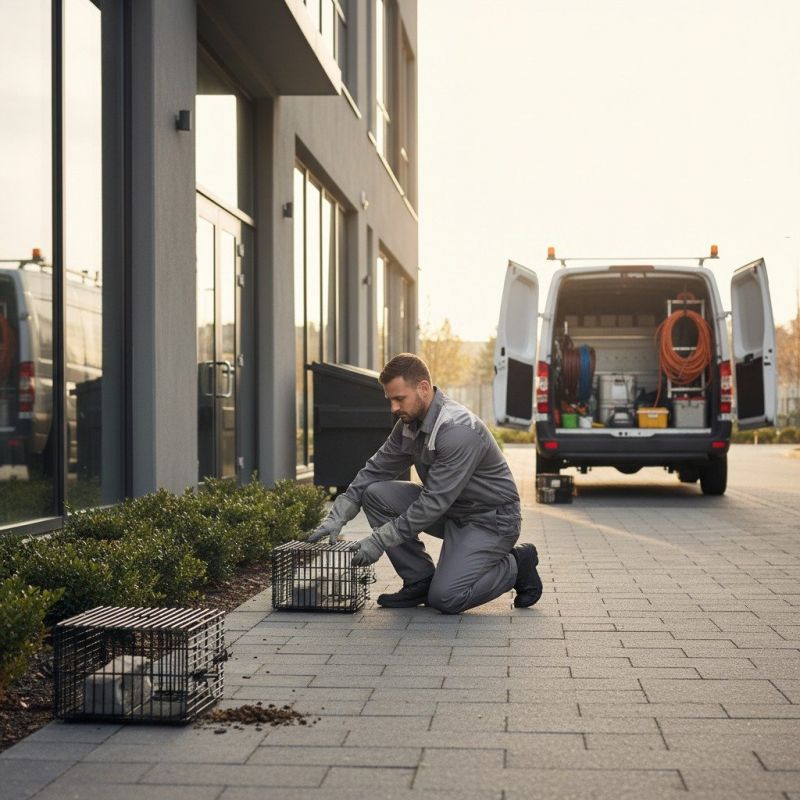
When evaluating wildlife removal versus pest control services, it is important to consider the experience of local contractors with similar projects. Wildlife removal typically involves addressing animals such as raccoons, squirrels, or bats that have entered a property, requiring specialized techniques and an understanding of animal behavior. Pest control, on the other hand, generally focuses on insects and rodents, often involving chemical treatments or trapping methods. Ensuring that the service providers have a track record of successfully handling projects comparable to the specific wildlife or pest issues present can help ensure effective and appropriate solutions.
Clear, written expectations are essential when comparing local service providers for either wildlife removal or pest control. This includes understanding what services will be provided, the scope of work, and any follow-up or preventative measures. A detailed written plan helps prevent misunderstandings and ensures that both parties are aligned on the process. When considering different contractors, it is beneficial to review their communication style and how thoroughly they outline their approach, as this reflects their professionalism and commitment to transparency.
Reputable references and good communication are key factors in selecting the right wildlife removal or pest control provider. Service providers with positive references from previous clients can offer insights into their reliability and the quality of their work. Additionally, responsive and clear communication during the inquiry process indicates a contractor’s willingness to address questions and concerns thoroughly. These qualities contribute to a smoother service experience and can provide confidence that the contractor understands the specific requirements related to wildlife removal or pest control, ultimately leading to more satisfactory results.
Property owners often search for wildlife removal vs. pest control: understanding the difference when they are planning practical projects around their homes and businesses. Local pros provide Wildlife Removal or Pest Control services for everyday jobs and straightforward project options.
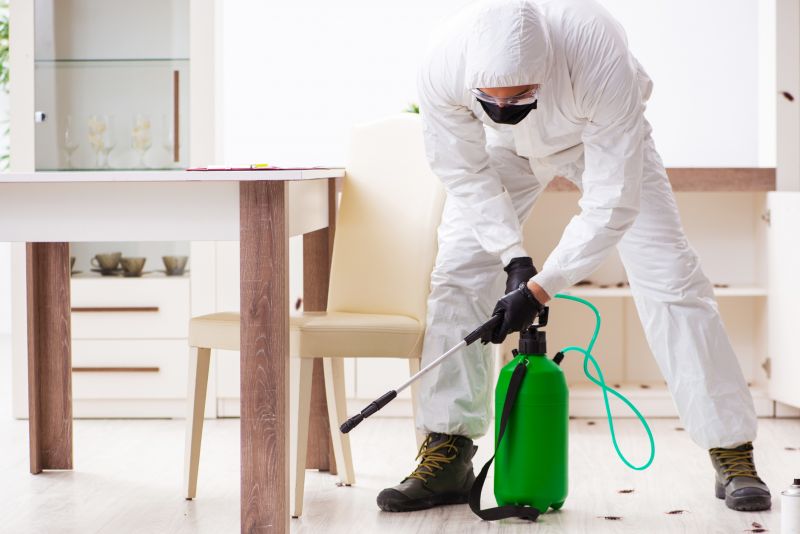
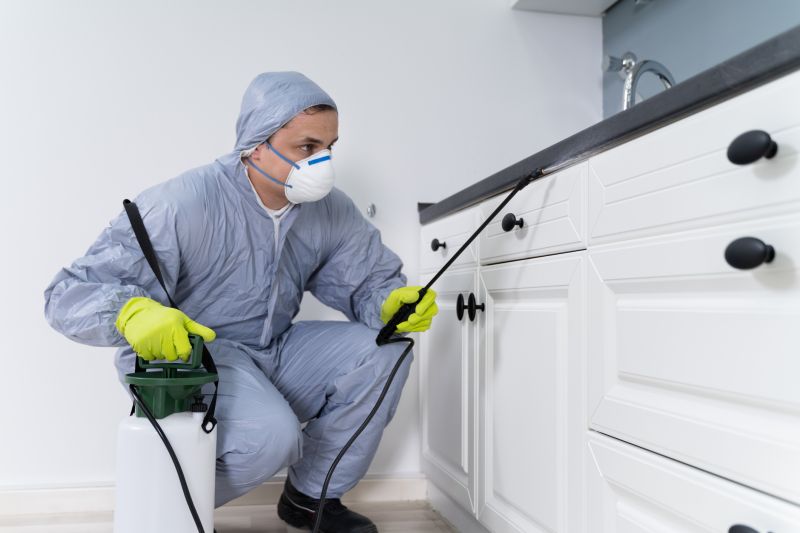
Understanding the difference between wildlife removal and pest control can help property owners make informed decisions when addressing unwanted animals or insects on their property. Wildlife removal services are typically focused on safely and humanely excluding larger animals such as raccoons, squirrels, bats, or birds that may have entered attics, chimneys, or other parts of a property. These projects often arise when animals are seen or heard in areas that are difficult to access, or when property owners want to prevent future intrusions. Local contractors specializing in wildlife removal can provide targeted solutions to handle these situations effectively, ensuring animals are removed without harm and that entry points are sealed to prevent re-entry.
Pest control services, on the other hand, are generally geared toward managing smaller pests like ants, roaches, spiders, or rodents that can invade living spaces or storage areas. These services tend to focus on eliminating infestations and preventing recurring issues through treatments and ongoing monitoring. Property owners seeking pest control might do so after noticing signs of insects or rodents damaging belongings or creating health concerns. Local service providers in pest control can offer tailored plans to address specific pest problems, helping to keep homes and businesses free of unwanted pests. Both types of services are essential for maintaining a safe and comfortable environment, but understanding their differences helps property owners choose the right approach for their particular situation.
What is the main difference between wildlife removal and pest control? Wildlife removal focuses on safely and humanely removing larger animals like raccoons, squirrels, or bats from properties, while pest control typically targets insects and smaller pests such as ants, termites, or rodents.
When should I consider wildlife removal services instead of pest control? Wildlife removal services are appropriate when larger animals have entered your property or structures, whereas pest control is suited for managing infestations of insects or small pests.
Do local service providers handle both wildlife removal and pest control? Yes, many local contractors offer both services, allowing them to address a wide range of unwanted animals and pests depending on the situation.
Can wildlife removal prevent future animal intrusions? Yes, wildlife removal experts often include exclusion methods to prevent animals from re-entering, whereas pest control mainly focuses on eliminating current infestations.
Why is it important to choose specialized services for wildlife removal versus pest control? Because wildlife removal involves handling larger animals safely and humanely, specialized services ensure proper techniques are used, which differ from those used in pest control for insects and small pests.
Identify wildlife entry points - Property owners can work with wildlife removal specialists to find and seal gaps or holes where animals may enter the building.
Choose targeted pest control solutions - Pest control providers can recommend specific treatments for insects or rodents that are causing issues inside the home.
Implement exclusion methods - Local contractors can assist in installing barriers or deterrents to prevent future wildlife or pest problems.
Determine appropriate service scope - Property owners can consult with experts to decide whether wildlife removal or pest control best suits their specific situation.
If you are thinking about wildlife removal vs. pest control: understanding the difference for a property, this guide is meant to help you understand this topic, the typical project types, and how different options might fit your plans.
When you are ready, you can use the quote form on this page to share a few details about your project. From there, local pros can review the basics and follow up with options that match what you have in mind.